Why monitor your blood pressure?
Simple: High blood pressure (hypertension) predicts increased risks of cardiovascular disease (heart attack, heart failure, stroke), kidney disease, vision loss, and premature death. Plus, monitoring your blood pressure is easy and painless and you can do it yourself at home.
What is high blood pressure?
Blood pressure refers to the force with which your heart pumps blood throughout your body. Blood pressure has two parts, systolic and diastolic, which are also referred to as the top number and the bottom number, as in 120/80. Systolic blood pressure refers to the pressure that your blood exerts against your artery walls when your heart contracts (beats). Diastolic blood pressure refers to the pressure your blood exerts against your artery walls when your heart rests between beats. Both systolic and diastolic blood pressure are important for your health.
What is healthy blood pressure?
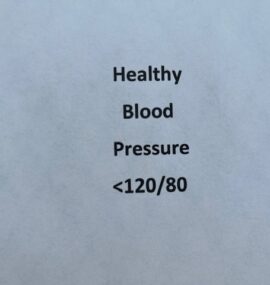
The medical establishment has lowered the upper limit of the healthy blood pressure range for both systolic and diastolic blood pressure over the years as more evidence of the effects of high blood pressure has accumulated. Healthy blood pressure used to be less than 140/90, then 130/80, and now it’s less than 120/80. Plus, evidence suggests that lowering your blood pressure even further provides additional health benefits. If you keep your blood pressure in the healthy range, you’ll reduce your risk of developing chronic diseases.
Isn’t high blood pressure inevitable in old age?
No! High blood pressure is not an inevitable result of having more birthdays, although many people believe this to be the case. Rising blood pressure with advancing age commonly occurs, but it most likely reflects a lack of healthy lifestyle choices. Interestingly, older people in contemporary hunter-gatherer populations rarely have high blood pressure, likely a product of a lifetime of daily movement, minimal amounts of sitting, and healthy diets with lots of vegetables, fruits, and fiber and with minimal amounts of junk food.
How is blood pressure measured?
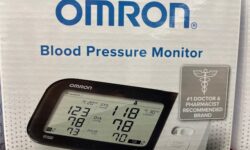
Blood pressure is commonly measured with a cuff attached to your upper arm, with systolic and diastolic blood pressure expressed as millimeters of mercury. Blood pressure can also be measured in other parts of your body, such as your ankle, if your doctor thinks you might have peripheral artery disease.
How to measure your blood pressure accurately
Measuring your own blood pressure is easy to do with a cuff and a read-out device from a drug store. Technique is simple but important to obtain valid measurements. In order to have accurate blood pressure reading, I suggest that you follow the instructions developed by the American Heart Association. I suggest that you prepare a spreadsheet to keep track of your daily systolic and diastolic blood pressure measurements.
What can you do to lower your blood pressure?
A recent review identified lifestyle choices that appeared to reduce the risk of hypertension. Key healthy choices included Keep Moving, Eat Better, Sleep More & Better, and Defuse Chronic Stress. Given the high prevalence of hypertension in developed countries and its close connection to cardiovascular disease, reducing the risk of hypertension would likely decrease the risk of cardiovascular disease and improve other aspects of health and well-being.
If you have high blood pressure, ask your doctor for advice on how to lower it. Why not resolve to lower you blood pressure if it’s too high (more than 120/80) then to keep it in the healthy range over time.