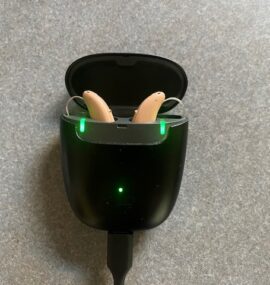
Hearing loss tops the list of risk factors for dementia
The 2024 update of the Lancet Commission report on dementia affirmed validity of the 2020 Lancet Commission report regarding 12 potentially modifiable risk factors for dementia and added new 2 new ones. In addition, the 2024 Commission report estimated the percentage of dementia cases attributable to each factor. Less education is the only early life factor that accounts for at least 5 percent of dementia cases. For mid-life, the 10 risk factors and the percentage of dementia cases attributable to each factor include: hearing loss (7 percent), high LDL-cholesterol (7 percent), depression (3 percent), traumatic brain injury (3 percent), physical inactivity (2 percent), smoking (2 percent), diabetes (2 percent), hypertension (2 percent), obesity (1 percent) and excessive alcohol consumption (1 percent). For late-life, the top three risk factors include social isolation (5 percent), air pollution (3 percent) and untreated vision loss (2 percent). Collectively, the 14 factors account for 45 percent of dementia cases. The most accessible and cost-effective dementia-avoiding actions for older Americans involve resolving any hearing loss (perhaps with hearing aids) and resolving any untreated vision loss (perhaps with glasses).
More evidence for benefits of resolving hearing loss
A new narrative review of dementia prevention and treatment noted the lack of compelling evidence from randomized controlled trials that interventions could prevent any type of dementia. On the positive side, older adults who address their hearing loss, keep learning, avoid smoking, cultivate social connections, and wear helmets while cycling will likely enjoy lower risk of dementia as well as other health benefits. Drugs designed to prevent or treat dementia have enjoyed little success. At this point, you best bet to avoid dementia is to embrace healthy lifestyle choices and hope for the best.
Hearing rehabilitation improves quality of life
Poor social networks predict increased risk of dementia. Researchers at UCLA conducted a systematic review and meta-analysis of 65 studies to better understand how hearing rehabilitation devices can improve social outcomes. Such devices included traditional hearing aids, cochlear implants, bone conduction hearing aids, and personal sound amplification. The average study participant had 64 birthdays. The 35 studies included in the meta-analysis showed that hearing rehabilitation use predicted a significant 22 percent improvement in quality of life. Cochlear implants produced double the quality of life improvement than traditional hearing aids. Meta-analysis showed that both cochlear implants and hearing aids predicted better social quality of life compared to baseline or control groups. As might be expected, longer use of hearing rehabilitation devices led to greater improvement in quality of life. Meta-analysis of 7 studies showed that hearing rehabilitation devices led to significantly lower perception of a social handicap due to poor hearing. Meta-analysis of 3 studies showed that use of a hearing rehabilitation device led to significantly lower loneliness. If you have difficulty hearing, why not get your hearing checked? If you have a hearing problem, why not do something about it to improve your quality of life?
You might not know that you have hearing loss
In 2024, the Lancet Commission identified hearing loss as the biggest modifiable risk factor for dementia. A new study investigated links between hearing loss, brain structural changes, cognitive function, and dementia. Data came from two samples of 1,656 and 935 participants on the Framingham Heart Study Offspring Study. Average ages of the samples of participants were 58 and 68 years, respectively. Hearing loss was measured by an audiologist. Compared to participants with no or slight hearing loss, participants with mild or greater hearing loss had significantly smaller brain volumes, larger white matter hyperintensivity volumes (a measure of neuron damage), and greater risk of developing dementia over 15 years of follow-up. These adverse outcomes doubled for participants with at least one APOE e4 gene. Interestingly, participants with slight or mild hearing loss often appeared to be unaware of it. On a positive note, participants with slight or more severe hearing loss had significantly elevated dementia risk, while participants with slight or more severe hearing loss who used hearing aids had a smaller, non-significant elevated risk. Older people might benefit from having their hearing tested. If the evaluation finds hearing loss, a hearing aid can maintain better quality of life and reduce risk of dementia.
More evidence that hearing aids reduce risk of dementia
Would persons who use a hearing aid reduce their risk of dementia? Researchers used data from 2,953 participants with an average baseline age of 69 years in the Framingham Heart Study (both the original and the offspring cohorts) to find out. Compared to participants under age 70 with clinically measured hearing loss without hearing aid, participants under age 70 with clinically measured hearing loss with hearing aid had a significant 61 percent lower risk of developing dementia during 20 years of follow-up. Compared to participants under age 70 with hearing loss and no hearing aid, participants under age 70 with no hearing loss (no need for a hearing aid), had a 27 percent lower risk of developing dementia. The dementia risk for participants with hearing aid use did not change significantly for participants over age 70 years. If you have yet to reach age 70 and think you might have hearing loss, you might get your hearing checked. Alas, only 17 percent of persons with moderate to severe hearing loss use hearing aids.
What to do
Given the huge downsides of developing dementia, wouldn’t it make sense to get your hearing checked if you think you might have hearing loss? Plus, life will be more enjoyable when you can hear better. If you’re on Medicare, check to see if your Part B Supplemental or Medicare Advantage insurance covers hearing tests and hearing aids.